
Introduction
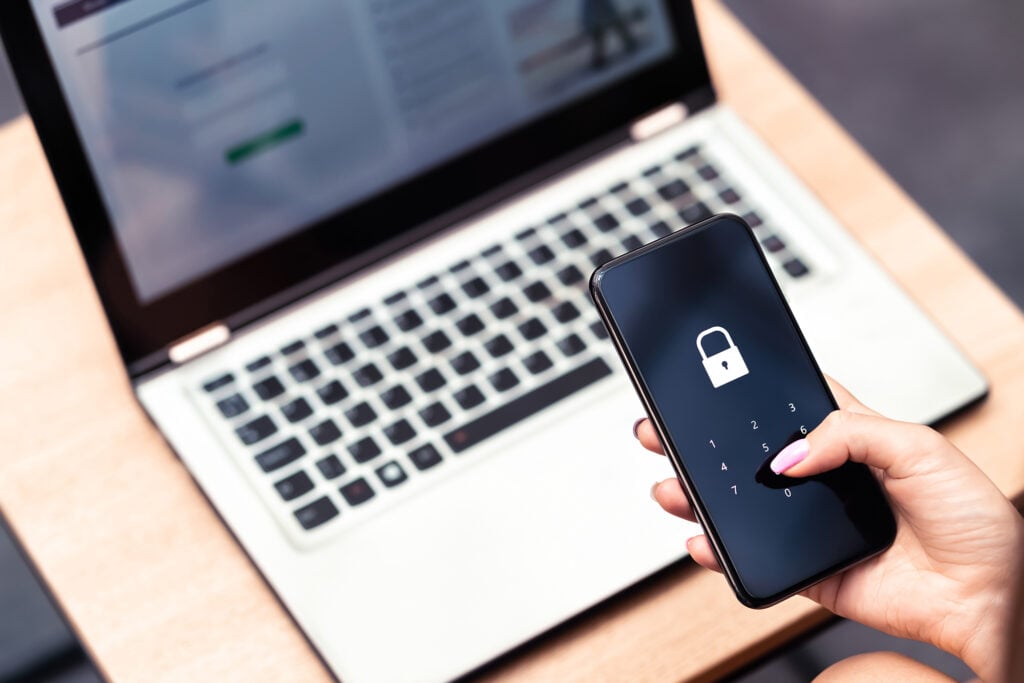
Phishing scams are a growing concern in today’s digital world. These scams involve fraudsters posing as legitimate entities, such as banks, social media platforms, or e-commerce websites, to trick you into revealing sensitive information or downloading malicious software. Knowing how to identify phishing and suspicious communication is crucial to protect yourself from these scams. In this article, we’ll discuss the key indicators of phishing scams and tips to safeguard your information.
What is Phishing?
Phishing is a fraudulent practice that involves sending emails, text messages, or social media messages that appear to be from a legitimate source to obtain sensitive information, such as login credentials or credit card details. The goal is to trick the recipient into clicking a link or downloading a file that contains malware or directing them to a fake website that looks like the legitimate one.
Key Indicators of Phishing and Suspicious Communication
- Sender’s Email Address: Check the email address of the sender. Phishing emails often use fake email addresses that look similar to the legitimate one but have small variations.
- Urgent or Threatening Language: Phishing emails often use urgent or threatening language to create a sense of urgency, making you act before thinking.
- Grammatical Errors: Legitimate emails are usually well-written and grammatically correct. Phishing emails often contain spelling and grammatical errors.
- Suspicious Attachments or Links: Do not click on any links or download attachments unless you are sure they are from a legitimate source. Hover your mouse over the link to see if the URL is the same as the one in the email.
- Request for Sensitive Information: Legitimate entities do not ask for sensitive information, such as login credentials or credit card details, via email or text message.
Tips to Safeguard Your Information
- Verify the Sender: Verify the sender’s email address and cross-check it with the legitimate source before responding.
- Be Cautious of Urgent Messages: Be cautious of emails or messages that create a sense of urgency, and always take time to think before responding.
- Check for Grammatical Errors: Check for spelling and grammatical errors in the email, as phishing emails are often poorly written.
- Don’t Click on Suspicious Links: Do not click on any suspicious links or download attachments unless you are sure they are from a legitimate source.
- Use Security Software: Use antivirus and anti-malware software to protect your computer and personal information from malicious software.
- Educate Yourself: Stay informed about the latest phishing and scamming techniques and learn how to identify them.
Protecting Yourself from Smishing and Vishing
Smishing and vishing are other types of fraudulent activities that use text messages and phone calls, respectively, to obtain sensitive information. To protect yourself from smishing and vishing:
- Be Cautious of Text Messages: Do not respond to text messages from unknown senders, and do not click on any links or download attachments unless you are sure they are from a legitimate source.
- Verify the Caller: If you receive a call asking for sensitive information, verify the caller’s identity before sharing any information.
- Hang Up and Call Back: If you suspect a phishing attempt, hang up and call back the legitimate source to verify the call.
Be Cautious of Emails and Downloads
Emails and downloads can be a common source of cyber threats. Be cautious of unsolicited emails and attachments, and only download software and files from trusted sources. If you receive an email from an unfamiliar sender or with a suspicious subject line, don’t click on any links or download any attachments.
Conclusion
Phishing, smishing, and vishing scams are becoming increasingly sophisticated, and it’s crucial to stay alert and take necessary precautions to protect yourself from these fraudulent activities. These scams involve fraudsters posing as legitimate entities, such as banks, social media platforms, or e-commerce websites, to trick you into revealing sensitive information or downloading malicious software. Protect yourself from becoming victimized by phishing scams by verifying the caller, being cautious of text messages and looking for key indicators of suspicious communications.